Part 3 of 3: Making farmland transition available to landowners
Summary
Buy-Protect-Sell (BPS) is a land transition model that can help farmers without heirs transfer property to a new generation of producers. In this model, a farmer sells their land to a land trust, who then protects the property with an agricultural conservation easement. In this article, you will learn what Buy-Protect-Sell is through the story of a retiring landowner and a land-seeking family, how it may benefit your farmland legacy, and if your farm could be the right fit.
Matchmaking needs for farmland legacy
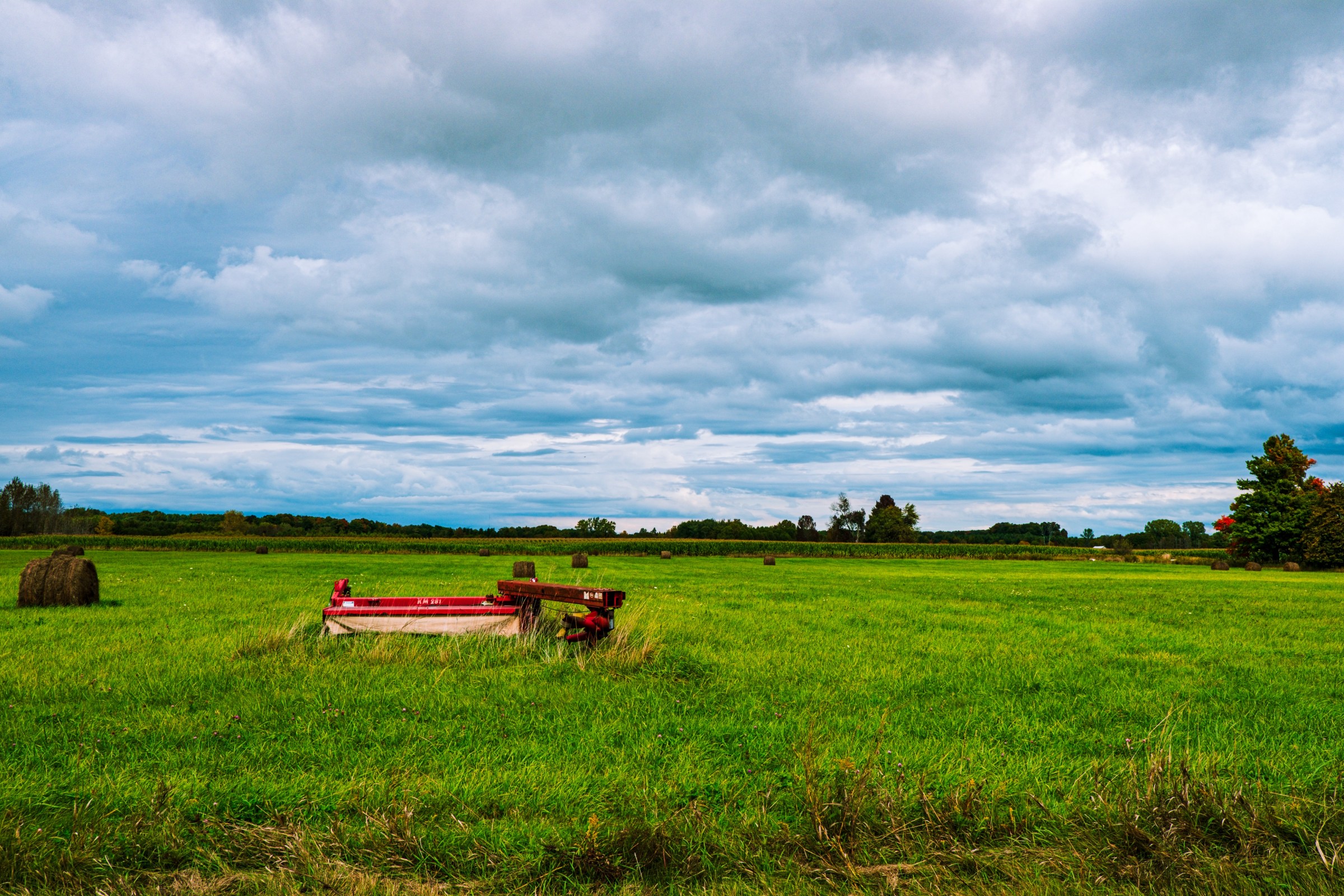
Buy-Protect-Sell (BPS) is a land transition model that can help farmers without heirs transfer property to a new generation of producers. In this model, a farmer sells their land to a land trust, who then protects the property with an agricultural conservation easement. The easement removes the development potential from the farm, limiting nonagricultural development and other uses that threaten the future of farming. The removal of development rights not only ensures that the land can remain in active agricultural use but also typically reduces the future purchase price of the property, as land with restrictions is generally less expensive than land that may be used for any purpose.
At the same time, the farmland easement is designed to support continued agricultural use of the property. Rather than dictate the types of farming that can occur on the land the terms of the easement are carefully constructed to encourage the farmer to make an income off of the land.
Often, there is a gap that needs to be filled between the purchase price and the sale price of the property. Because the easement reduces the overall cost of the property, the value of the easement must be covered in order for land trusts to engage in Buy-Protect-Sell transactions. Sometimes that gap is filled through a bargain sale to the land trust. Other times the land trust is able to access public funds or receives charitable gifts from donors.
The Lor family story
For nearly twenty years, Lynne Reeck ran a small farm just south of the Twin Cities. When it came time to retire, she wanted to make sure that the land would be cared for in the future. Reeck wanted to sell her property, not just to someone who would farm it, but to someone who would steward the health of the soil and the quality of the water – someone who might not otherwise have an opportunity to access such rich and fertile farmland.
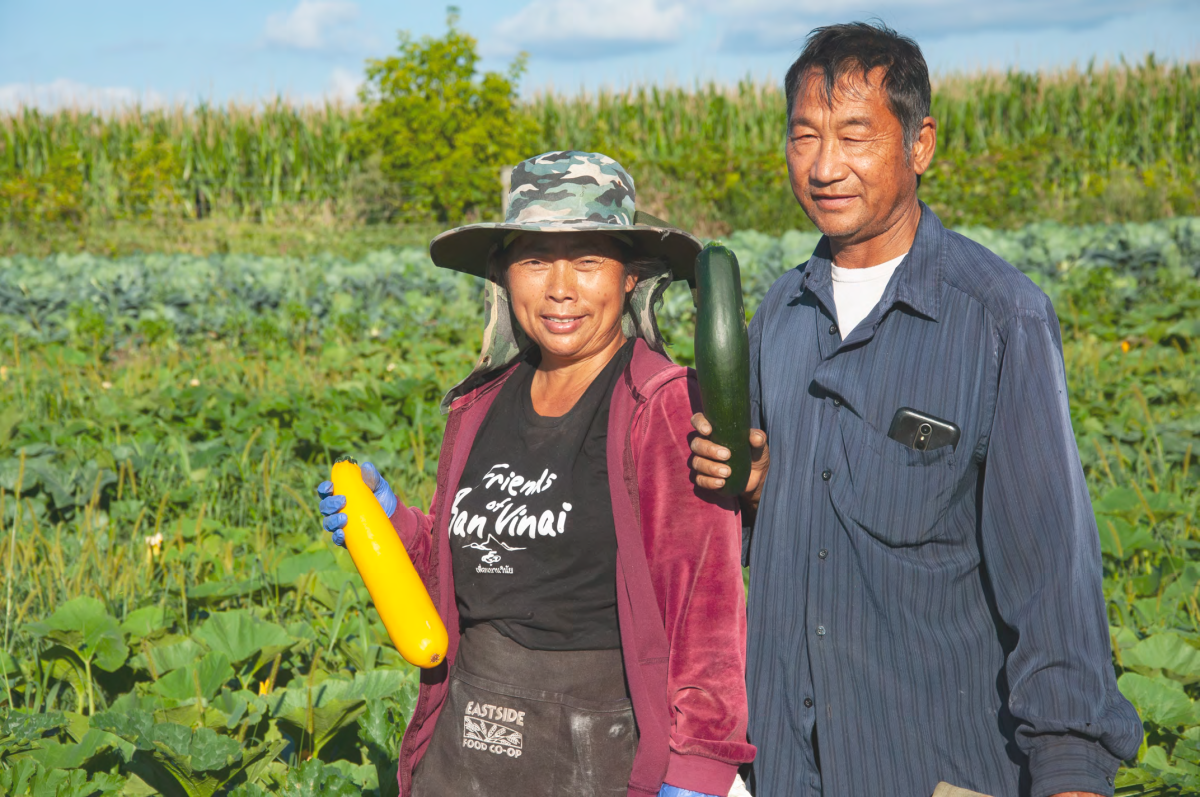
Meanwhile, less than an hour away, the Lor family had been farming on rented land, growing fruits and vegetables for local markets. Over the many years that they had been farming, the family had been forced to move multiple times when their rented parcels were unexpectedly sold to a new owner. More than once, they lost thousands of dollars in crops after they had already planted. The Lors dreamed of owning their own farm—a place where they could have the peace of mind that they could invest in their land, in their future, without the threat of their land being taken away.
Renewing the Countryside (RTC) and American Farmland Trust (AFT) were able to step in and create a bridge between the retiring farmer and the farmland seekers.
The Buy-Protect-Sell land transition model in action
RTC and AFT used the Buy-Protect-Sell land transition model, making the sold farmland more affordable for the Lor family to purchase.
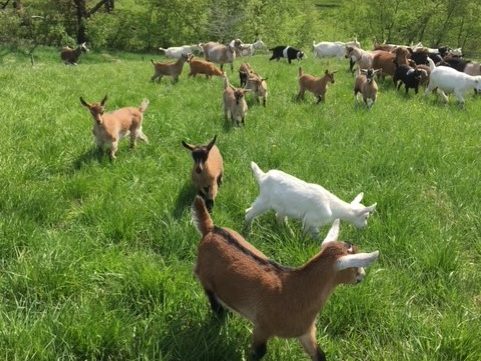
For both Reeck and the Lors, Buy-Protect-Sell helped them achieve their goals. AFT purchased the farm from Reeck at its fair market value enabling Reeck to recoup the years of financial investment that she had made in the farm. RTC, along with several other nonprofits, raised funds from private donors to cover the cost of the easement. AFT was then able to protect the land and sell it at its reduced price to the Lors. Today, the Lors are growing vegetables and talking about raising goats. They are making decisions for their operation that could not be realized without the security of future access to land.
To read more about the Buy-Protect-Sell land transition model, farmland access, farmer transitions, and efforts to save American farmland, visit renewingthecountryside.org and farmland.org.
The “Making Farmland Transition Options Available to Landowners” article series aims to share information about farmland transition options with landowners. The article series is a collaboration between the American Farmland Trust, the Farmland Access Hub, and the UW-Madison Division of Extension.
Part 1: Demystifying the future farmer and planning ahead for a successful farmland transition
Part 2: Agricultural conservation easements 101: Permanently protect your farmland and legacy
Part 3: Buy-Protect-Sell: Bridging gaps to incoming farmers
Connect with us!
Kaitlyn Davis | Agriculture Educator, Extension La Crosse County | kaitlyn.davis2@wisc.edu
Mia Ljung | Community Development Educator, Extension Outagamie & Winnebago Counties | mia.ljung@wisc.edu
Alison Volk | Land Protection Projects Deputy Director, American Farmland Trust | avolk@farmland.org
Yimmuaj Yang | Community Director, Groundswell Conservancy | yimmuaj@groundswellconservancy.org
Bonnie Warndahl | Farmland Access Navigator, Marbleseed | bonnie.warndahl@marbleseed.org
References
Video on Buy-Protect-Sell and the Singing Hills Farm Transition: https://www.youtube.com/watch?v=S4INMrmxups
Volk, Alison. How AFT’s Buy, Protect, Sell Strategy Helps a New Generation Gain Access to Farmland. American Farmland Trust. (3/23/2022). Retrieved 11/18/2022 from https://farmland.org/how-afts-buy-protect-sell-strategy-helps-a-new-generation-gain-access-to-farmland/