The statement of owner equity reconciles the change in equity from the beginning balance sheet to the ending balance sheet for the farm business. Also known as the statement of net worth, shows the source of change.
A new year always elicits new resolutions, goals and plans for how to better our business, family and self. However, a quick google search shows that only 8% of Americans keep their resolutions throughout the year and 80% have failed by February. How can we become an 8-percenter in the new year?
A lender’s primary interest is in whether you’re likely to fulfill the requirements of a credit agreement. When a creditor lends you money, he or she does it with the expectation of earning a profit, which is unlikely to happen if there’s a good possibility that you’ll default on the loan. The lender will be […]
Debt can feel overwhelming. It can be difficult to think clearly when the bills pile up, late fees accrue and interest adds up. Taking a moment to organize your obligations is important to maintain your assets, avoid paying more in fees and interest, and protect your credit. Use the provided tool to develop a comprehensive list of all outstanding creditors so you are able to differentiate and organize secured and unsecured debt.
Equity is the wealth you have earned in your business and what is used to cover negative profits. Continuing negative profits drains your equity. If the prospect for future profits is not high or not high for a while, then the question becomes how much equity are you willing to spend.
The cash flow budget is a valuable planning tool for the farm manager. It enables the manager to know and plan borrowing needs and investment opportunities throughout the year. With a cash flow budget, the manager has an initial cash position for each time period. It can also serve as a communication tool to share with a lender to set up a line of credit, make capital investments, or perhaps discuss the reduction of debt.
Investing in capital replacement or new investments is appealing, but building working capital and paying off dead-weight debt may be the more prudent financial decision.
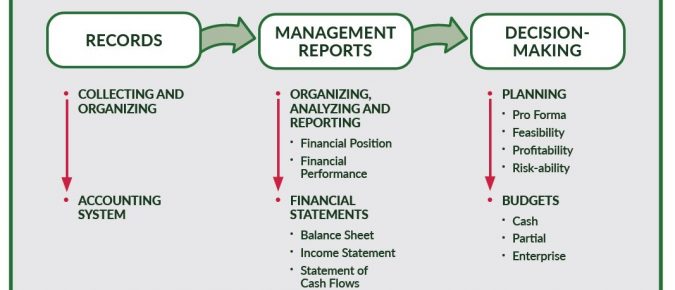
Regardless of the time of year, it is important for farm operators to spend some time in their office completing their least favorite activity – paperwork. Most farmers enjoy getting their hands dirty, from digging in the soil, repairing machinery, or working with livestock. They will reluctantly compile the necessary information for income tax preparation, credit borrowing, and crop reporting.
With economists at the U.S. Department of Agriculture predicting farm debt will reach a record high this year, Wisconsin agricultural leaders are warning farmers against the dangers of unregulated lenders.