

Articles
Farm Management Articles
Research-based information and tools to help with your farm business management decisions
Looking for an expert to advise you on your ag and farm questions? We can help with that.
Fixed and Flexible Cash Rental Arrangements for Your Farm – AgLease 101 publication brief summary
Jump to video resource This provides a summary of what is covered in the full-text publication, “Fixed and Flexible Cash Rental Arrangements for Your Farm” located in the AgLease 101 document library aglease101.org – a publication to help operators and landowners develop equitable cash-rent arrangements and assist them in making sound decisions based on an […]
Pasture Rental Arrangement for Your Farm – AgLease 101 publication brief summary
Jump to video resource This provides a summary of what is covered in the full-text publication, “Pasture Rental Arrangement for Your Farm” located in the AgLease 101 document library Aglease101.org – a publication to help operators and landowners develop equitable rental arrangements and assist them in making sound decisions based on an equitable evaluation of […]
Rental Agreements for Farm Buildings and Livestock Facilities – AgLease 101 publication brief summary
Jump to video resource This provides a summary of what is covered in the full-text publication, “Rental Agreements for Farm Buildings and Livestock Facilities” located in the AgLease 101 document library Aglease101.org – a publication to help operators and landowners develop equitable rental arrangements and assist them in making sound decisions based on an equitable […]
Crop Share Rental Arrangements for your Farm – AgLease 101 publication brief summary
This provides a summary of what is covered in the full-text publication, “Crop Share Rental Arrangements for Your Farm” located in the AgLease 101 document library aglease101.org – a publication to help operators and landowners develop equitable rental arrangements and assist them in making sound decisions based on an equitable evaluation of resources. Crop-share arrangements […]

What Motivates You to Succeed – Defining Your Values
Business values influence the farm’s goals and priorities. It is important to be able to recognize differences in the values of owners, stakeholders, managers, and other key personnel and have a process through which each is willing to compromise if necessary, to arrive at mutually acceptable goals and decisions.

What is strategic thinking and how can you use the strategic planning process to craft your farm’s future?
Strategic thinking is the intuitive, visual, and creative process you use to make decisions about your farm business. Strategic thinking is all about thinking ahead, anticipating what your competition is going to do, and then taking risks to succeed.
Creating Your $50/cwt Mona Lisa ~ Diversifying your farm business enterprise
If you are enticed by the potential of a value-added enterprise, then three potential steps to start with tomorrow after breakfast. One, find the stick and hit yourself over the head until you are ready to do your homework. Two, take time to learn more about value-added agriculture enterprises. Three, don’t go it alone. In every state there are people and organizations that stand ready to assist.
Wisconsin Agricultural Land Prices 2021
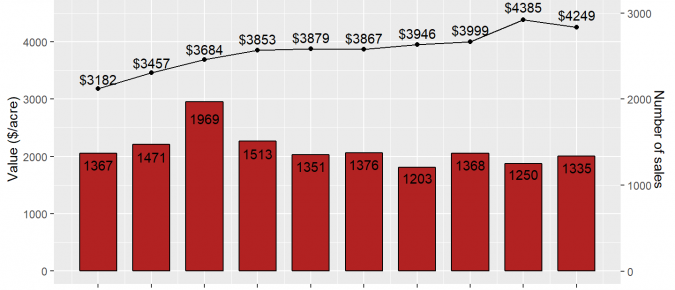
This report provides a statewide overview of agricultural land values across Wisconsin based on a statistical analysis of actual sales and now includes the weighted average price of agricultural land sold in Wisconsin.

Working together to help farm families develop succession plans
The Wisconsin Farm Succession Professionals Network bring educators, agencies, and service professionals together to build knowledge and skills and to discuss coordinating efforts in farm succession to better serve the Wisconsin agriculture community.

Control of Farm Management Decisions
When working through developing a plan to transfer management decisions it is important to realize that management decisions should be transferred incrementally. Having a framework of when management decisions will be transferred will give both the owner and the successor generations peace of mind.
Sweat equity and farming
In farming, sweat equity is a term that is loosely used to define how established farmers use payment of a commodity or capital assets to replace some of the cash wages for employees. Sweat equity is also the term sometimes used to compensate a successor for years of labor and management that helped build the owner generation’s wealth.
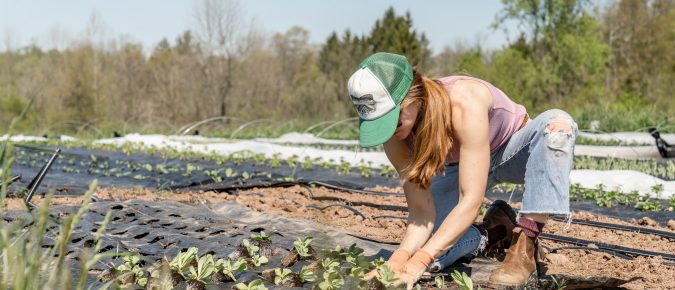
What are the Tax Implications of Sweat Equity Arrangements on Wisconsin Farms?
In farming, sweat equity is a term that is loosely used to define the practice of using a commodity or capital asset to replace some of the cash wages for employees. Often times farms do not know how to document sweat equity as a payment for wages.
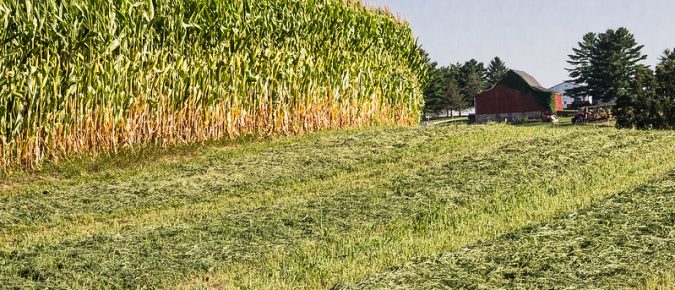
Tools for Pricing Standing Corn Silage
Tools are available to help corn growers and dairy and livestock producers negotiate a fair price for corn silage.

Dinner Conversations
Now more than ever, it is important to focus on eating together as a family. Research has shown us how important family meals are and there are significant studies that reinforce the benefits of mealtimes together. Discover ideas for starting dinner conversations that nourish the spirit, brain, and health of everyone at the table.

Traditions – Today and Tomorrow
“Traditions are the cement that keeps families together and helps you withstand the storms that come”. Traditions can build a strong base of resiliency as we emerge from Covid-19. Explore which traditions are worth keeping and which ones you might start in the future.
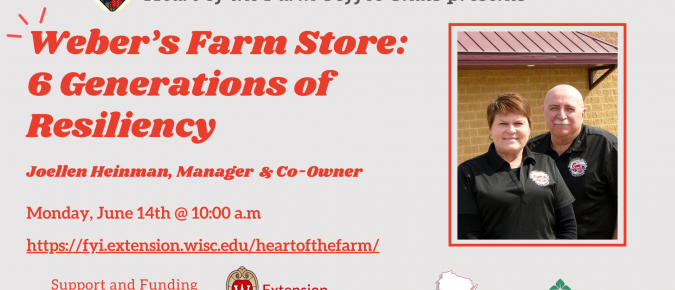
Weber’s Farms – Six Generations of Resiliency
Weber Farms, a 6th generation Wisconsin Century Farm is located in Marshfield, WI and since 1904 it has been delivering the finest, freshest dairy products from their Holstein cows for six decades.