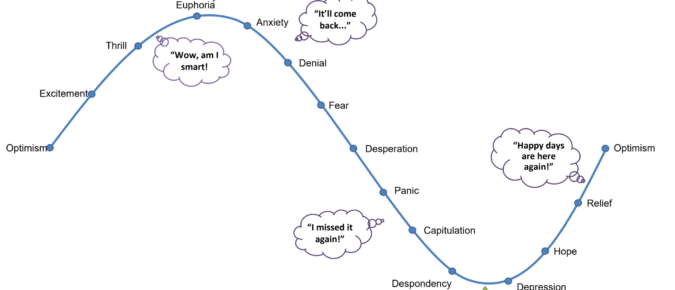
There are four major factors that influence a grain marketing plan. These are personal feelings and attitudes about marketing, the financial needs of the farm business, seasonal price patterns, and the current price outlook. Personal feelings and attitudes about marketing The first factor is your personal feelings and attitudes about marketing. Each farmer will differ […]
Most farmers develop excellent crop production plans each year, including strategies for weed control, fertilization, tillage, and match these practices with financial resources. A grain marketing plan identifies a farmer’s specific price objectives as the production and/or storage season progresses. The marketing plan identifies strategies available to achieve the specific price objectives. Like successful production […]
Fixed costs are those expenses that occur regardless if we grow a crop or not. Variable costs are those cash expenses needed to grow, harvest and store a crop
The Crop Enterprise Budget Tool spreadsheet developed by the Division of Extension at UW-Madison provides a straightforward method to arrive at a cost of production for crops on a per acre and per bushel basis.
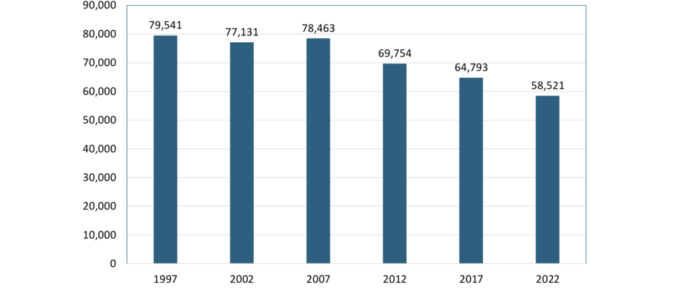
Every five years the USDA undertakes a detailed inventory of farming operations across the country. The most recent 2022 Census of Agriculture provides a snapshot of the nation’s farming economy, including demographics, production practices, land use, and economic trends.
There are four strategies that can be pursued to help manage farm business risks.
Understanding how a farmer’s own risk preferences and that of others affect the risk management decisions made for the farm business is important.
Let’s look at the concept of price risk with an example of the average monthly corn prices in the United States.
The greater the uncertainty, the greater the risk.
The more likely a negative factor will occur, the greater the risk potential.
The Federal Crop Insurance Program (FCIP) provides insurance coverage for the production of most U.S. agricultural commodities against financial losses caused by adverse growing and market conditions.
Grain markets have been noted in history as early as during the Roman Empire.
Dairy producers need to stay informed about the latest developments of the Dairy Margin Coverage (DMC) program so that they can make timely and informed decisions for their operations.
This presentation given for Hoard’s Dairyman provides an overview of dairy markets, examining recent trends and future directions dairy demand and pricing could go.
The House of Representatives cast votes on the Whole Milk for Healthy Kids Act (House Resolution 1147) . Whereas, the bill revised requirements for milk distribution under the National School Lunch Program, managed by the Department of Agriculture (USDA).
There is typically a 3-5% increase in milk and butter sales in the United States during the fall months, compared to the summer period. This rise is largely attributed to the holiday season, with November and December witnessing a significant surge in dairy product purchases.
Understanding the proposals is critical for informed participation in the hearing process, effective advocacy, and the strategic planning of various stakeholders in the U.S. dairy industry. Testimony is in progress by subject area, in the following order proposal wise classified on the basis of
The farm bill is an omnibus, multiyear law that governs an array of agricultural and food programs. It provides an opportunity for policymakers to comprehensively and periodically address agricultural and food issues. In addition to developing and enacting farm legislation, Congress is involved in overseeing its implementation.
Dairy markets are facing downward price pressures from increased milk production, slower demand, and competition in export markets.